Year 1992, a rainy evening, Sound Blaster playing the violins, and I'm sitting in front of a monitor with a DOS prompt. This wasn't just another adventure — it was Sherlock Holmes in full glory, with Watson at my back and Jack the Ripper across from me.
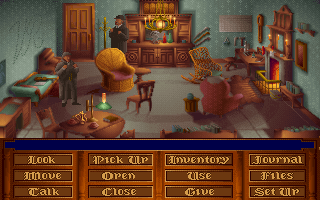
The Case of the Serrated Scalpel — the first installment in the Lost Files of Sherlock Holmes series by Mythos Games — throws you into Victorian London, where an actress is murdered and the clues mysteriously echo Jack the Ripper's rampage. You play as Holmes, Watson accompanies you and occasionally chips in with a comment that either helps or simply confirms that you're the smarter of the two.
The game works like a classic point-and-click adventure. You explore crime scenes, collect evidence, interrogate witnesses, and gradually piece the case together. The inventory is straightforward, the dialogues branch logically. What felt fresh back then was the emphasis on actual deduction — gathering everything and clicking the right combination isn't enough. You have to think about what each clue means and who to show it to. The game doesn't hold your hand through everything, and that was intentional in 1992, not a bug.

The graphics leverage VGA, so London's streets, pubs, and autopsy rooms looked decent for their time. The music sustains the atmosphere — violins and darker themes fit the era. What hasn't aged quite as elegantly is the controls in some places and the need to know exactly what and where to try. You'll occasionally hit pixel hunting, which was standard back then and today triggers more memories of frustration than nostalgia.
The series earned its respect by taking Holmes seriously. This wasn't a cheap detour into detective aesthetics — the game actually works with case logic and doesn't hand you solutions for free. Anyone who's read Holmes will appreciate it. Anyone who hasn't will survive just fine, but that context adds a layer that separates average adventures from the ones you remember thirty years later.
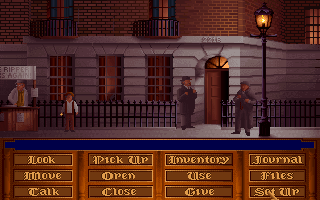
Today I'd recommend it to anyone who loves story-driven adventures and doesn't mind early nineties pacing. It runs flawlessly through DOSBox; you can find it on Internet Archive in a browser. Perfect for a rainy evening — with a little imagination and no rush.
 old
old


 ▶Amazing Spider-Man1989MS-DOS / PC


 ▶Fantasy - An Adult Game1987ZX Spectrum


 ▶Leisure Suit Larry 6 - Shape Up or Slip Out1993MS-DOS / PC